The Peace and Joy of Restorative Yoga Over Zoom
Jocelyn Leatherwood | NOV 16, 2023
The Peace and Joy of Restorative Yoga Over Zoom
Jocelyn Leatherwood | NOV 16, 2023
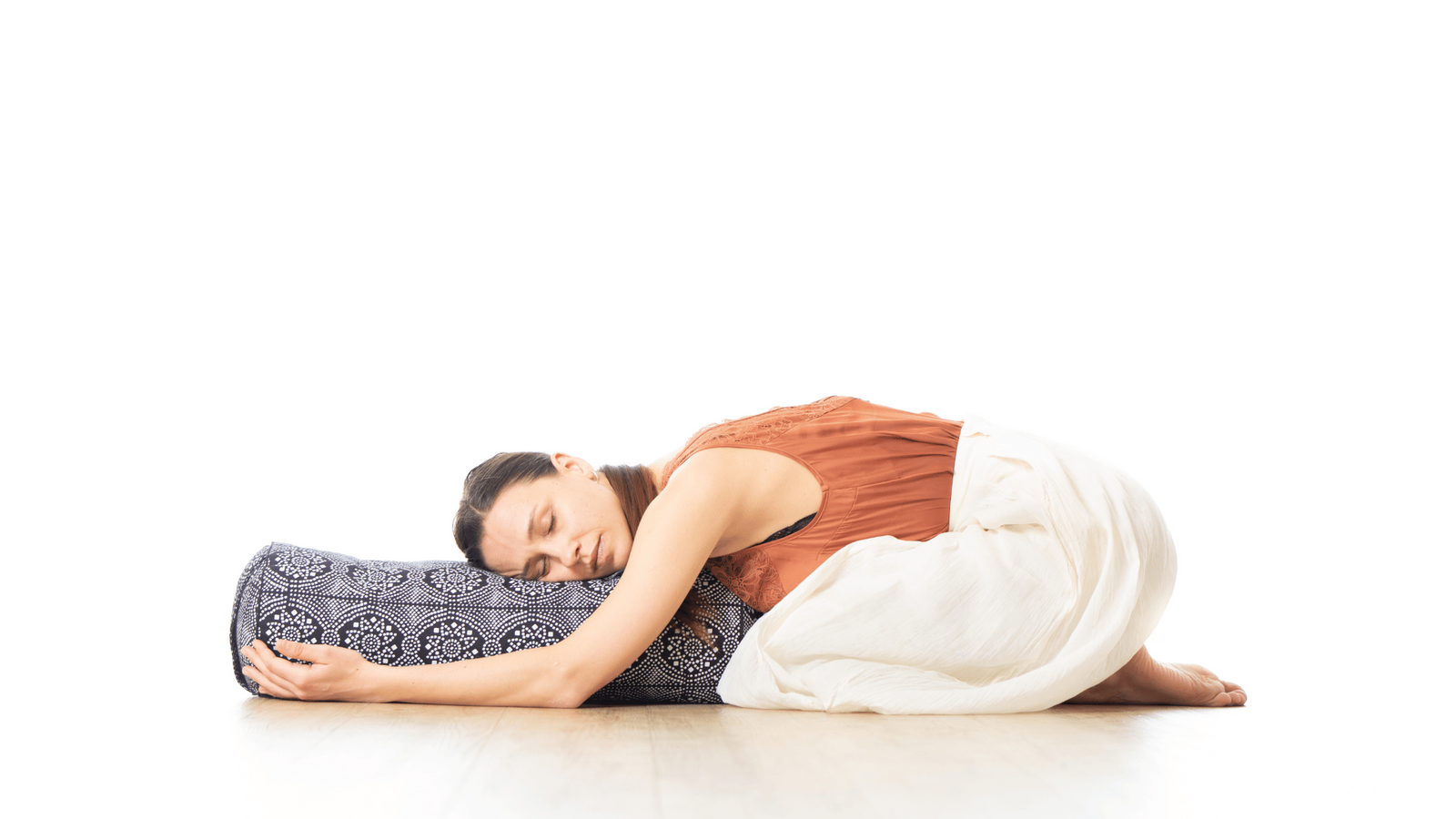
I can still remember my first restorative yoga class at a local yoga studio. To prepare for class, we'd grab the requisite props: blocks, blankets, and a bolster. The room was darkened. Then we'd begin class. The instructor would show us how to set up the first pose, then we'd relax in that posture for several minutes. We'd gently move on to the next pose and repeat the process ending in Savasana, the final resting pose. It felt wonderful and each time I took a restorative class I was grateful for the stillness and sense of peace. That is until the class was over and we had to put away all our props and make our way into the cold. And there always seemed to be one guy in the corner who had fallen asleep. I really felt sorry for him!
During the pandemic, I took my first at home restorative class over Zoom. Not only was it easier to relax without being in a roomful of strangers, but after class I could take my time, languidly making my way out of Savasana and basking in the joy that I was already at home!
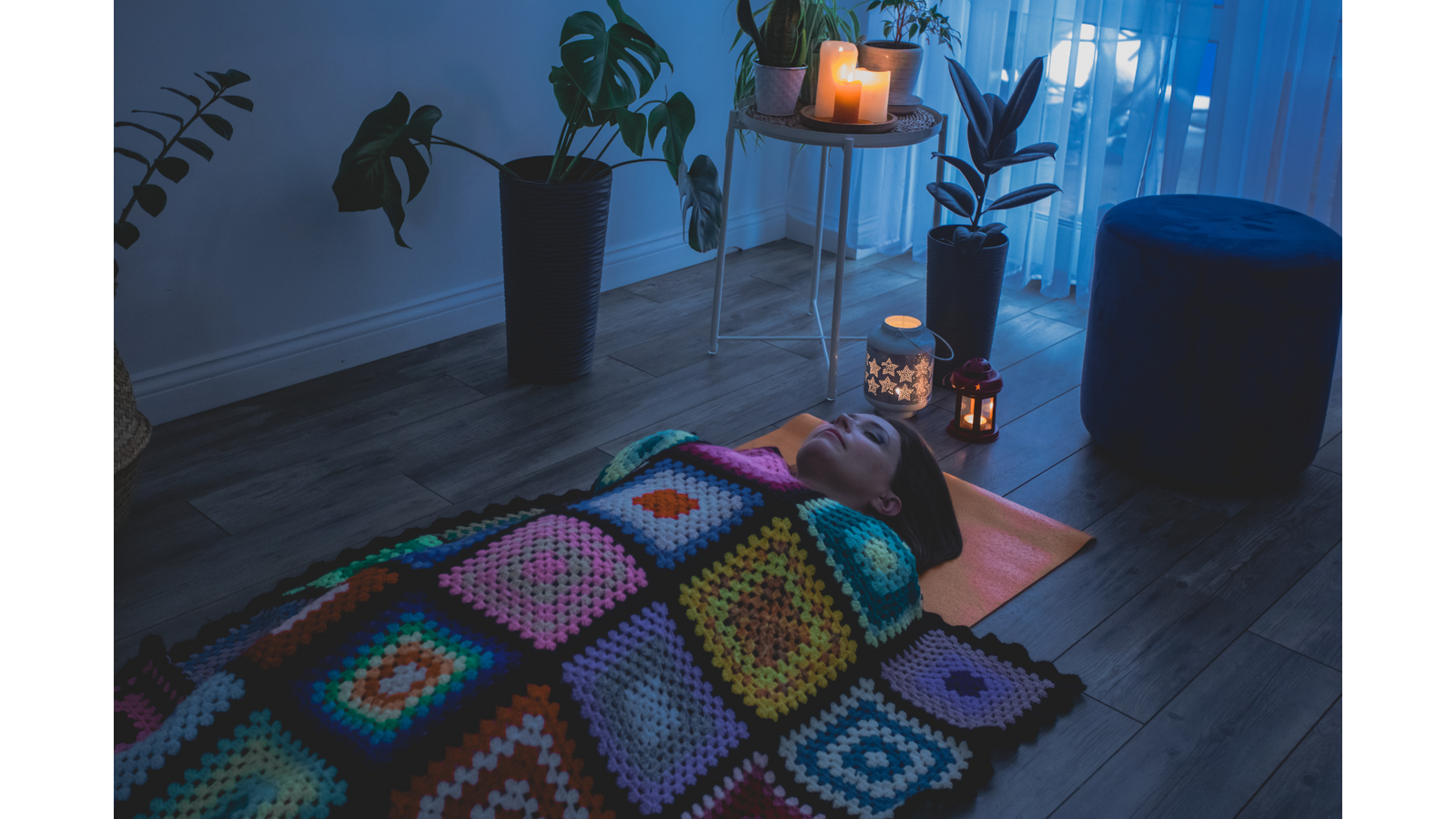 Covering with a blanket during Savasana
Restorative yoga is a gentle form of yoga that focuses on relaxation and rejuvenation. It typically involves holding poses for extended periods of time. The three key ingredients to creating a relaxing environment for restorative yoga are: warmth, darkness, and quiet.
Warmth. You'll be holding poses for several minutes with very little movement, so you may start to feel cold, which will make it hard to relax. Warm and comfy clothes are best and it's okay to wear socks. Dressing in layers would allow you to put on or take off items depending on how you feel. An extra blanket or a weighted blanket can be a nice addition to Savasana.
Darkness. Consider dimming the lights in your room and/or covering your eyes with an eye pillow or towel.
Quiet. Try to find a quiet space free of distractions and silence your phone. Practicing in a quiet room helps to minimize sensory stimulation and soothe and calm the nervous system.
You could even add aromatherapy candles or diffuse essential oil with a calming scent such as lavender, vanilla, or sweet orange.
Restorative poses are passive postures supported by props, such as blankets, bolsters, blocks, and straps, so that you don't need to use any muscular effort. Whether that means using a prop to raise the height of the floor, ease overworked muscles, or counteract the effects of muscular imbalances, using props will enhance your restorative practice. The key is to support yourself in each pose so that you are comfortable. Since we're holding poses for extended periods of time, there should be no muscular tension or pain.
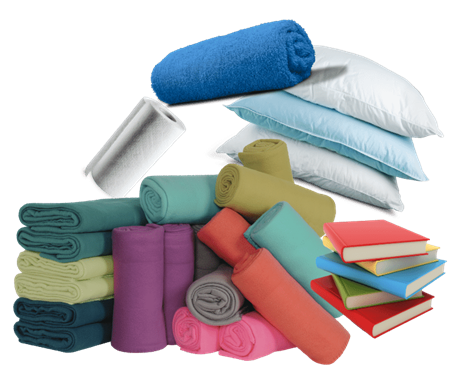
Sure, you may not have all the traditional props that a studio has, but I'll bet you have items around your home you can use.
Washcloth or hand towel (instead of an eye pillow)
Bath towels (instead of yoga blankets)
Bed pillows (instead of a bolster)
Paper towels or books (instead of blocks)
In any restorative pose, give yourself permission to rearrange your props to find a sense of ease and comfort. I invite you to explore the comfort and deep relaxation of restorative yoga. It can be a great complement to more active and strenuous forms of yoga or exercise. Put your To Do list on pause and take a well-deserved break with a restorative yoga class.
Jocelyn Leatherwood | NOV 16, 2023
Share this blog post
 OfferingTree